Rafa Velazquez speaking. The southeast coast of Mallorca operates on a strict schedule. Time here is measured by the arrival of the fishing fleet and the cycle of local gatherings. This page outlines the specific markets and the annual summer festival in the municipality of Santanyí and the port of Cala Figuera. Before you rent a car and drive down to the water, you need to understand the schedule we live by. It dictates when the streets fill with people and when the harbor returns to quiet.
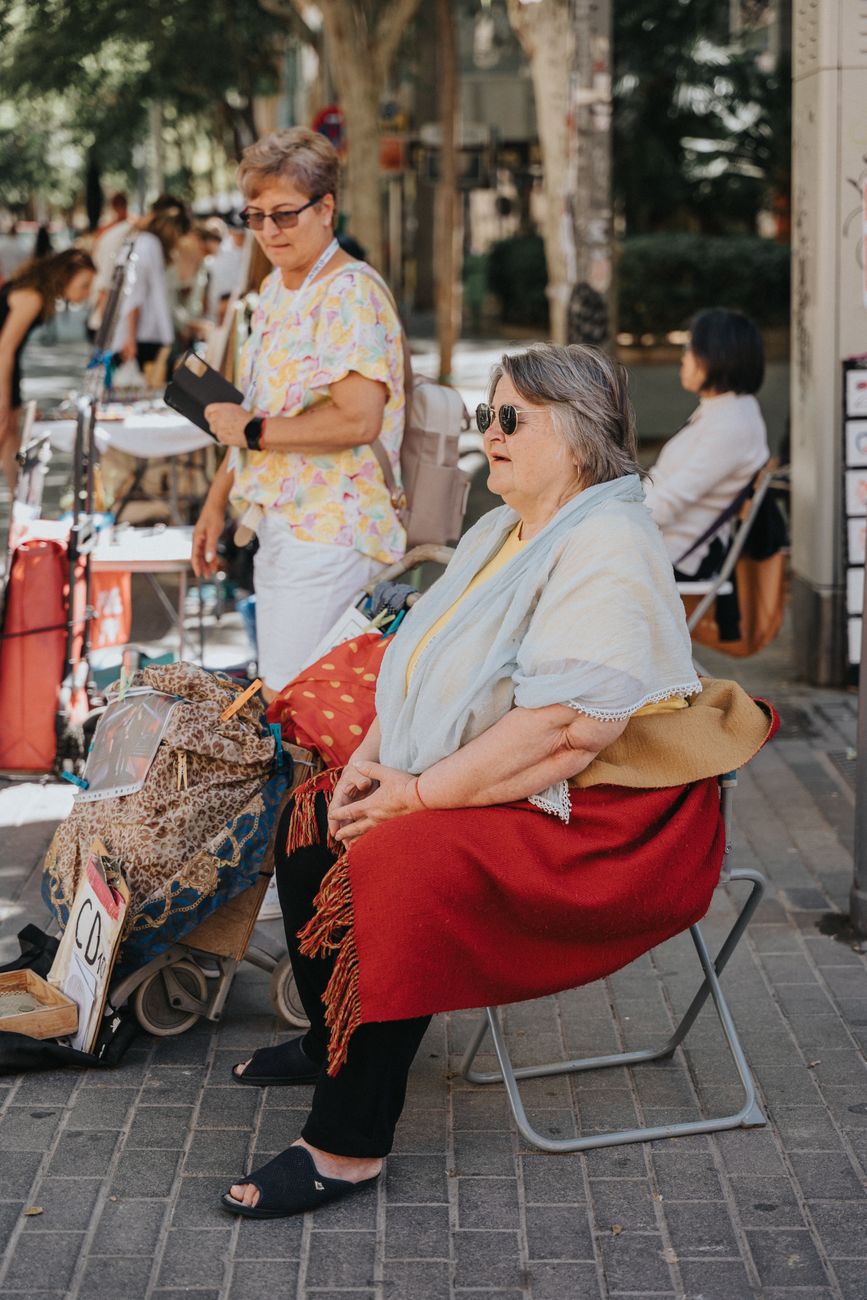
The Santanyí Artisan Market takes place every Wednesday and Saturday. It opens at 9:00 AM and closes at 2:00 PM. The venue is Plaza Major in the center of Santanyí town. You will find traditional handicrafts, textiles, local organic wines, raw cheeses, and cured sobrassada. This market draws people from all over the island. I advise arriving early, around 8:30 AM, to secure parking near the town center. The morning light on the golden sandstone buildings is excellent for photography, and the vendors are usually in a good mood before the midday heat sets in.
The market is free and open to the public. You can expect a good bottle of organic wine to cost around €18.00 (~$19.62). The atmosphere is authentic, and you really start to notice who you go to the market with when you have to carry heavy bags of produce back to the car. Local farmers bring their seasonal harvest directly to the plaza, and the smell of fresh bread mixes with the salt air blowing in from the coast.
The Cala Figuera Summer Market operates on a different rhythm. It runs every Monday from 9:00 AM to 2:00 PM, strictly during the summer season from June to September. You will find it along Calle Sant Pere right in the village of Cala Figuera. This gathering focuses heavily on fresh seafood, regional agricultural produce, and coastal artisan wares. It provides a direct connection to the local fishermen and farmers. The stalls are set up near the top of the cliff. Walking between them gives you clear views of the water below.
Prices here are reasonable. A small piece of coastal pottery might cost €12.00 (~$13.08). The money spent here stays in the community. It funds teh local economy directly alongside the mandatory Sustainable Tourism Tax you pay at your accommodation. That tax costs €4.00 (~$4.36) plus VAT per night for luxury hotels during the high season, and €2.00 (~$2.18) plus VAT for rural estates. The revenue goes toward protecting the very coves and stone architecture you come here to see.
Mid-July brings the Festes de la Mare de Déu del Carme. This is the primary maritime celebration honoring the patron saint of fishermen. The dates for 2026 are July 4 through July 16. The venue is the port and harbor esplanade of Cala Figuera. General activities are free, though the opening musical galas require a seat reservation. I photograph this event every year. The schedule is dense and highly structured. Here is the exact daily itinerary.
Navigating these events requires some logistical planning. Public transit is a solid option. The regional Transports de les Illes Balears network operates Route 516. It runs from Campos through Santanyí and terminates at the main stop in Cala Figuera (Code: 57029). Transit fares range between €4.00 (~$4.36) and €6.00 (~$6.54) for single card transactions depending on where you board. The direct journey from Cala Figuera to Campos takes about 25 to 35 minutes based on traffic.
If you miss the bus after a late concert, standard ride-hailing apps are heavily restricted here. You need to use the Mallorcab app or call the local 24-hour dispatch lines. Radio Taxi Santanyí and Taxis Cala d'Or are the most reliable options for getting back to your hotel at night. A late-night taxi ride to a neighboring town like Portocolom will cost you roughly €35.00 (~$38.15) to €45.00 (~$49.05).
If you prefer to drive, public parking in Cala Figuera is completely free. You will find unrestricted street parking along the main entrance avenues and a spacious public car park at the harbor entrance. During the July and August peak season, these central spaces fill up fast. You need to arrive before 10:00 AM to secure a spot without circling the village.
The historic core of the village descends steeply down clifftop stairs toward private boat docks and slipways called escars. These paths do not have vehicle street access. Park on the main street level and walk down. Wear sturdy shoes. The stone steps and boat ramps are covered in algae and get very slippery. Leave the flip-flops in your suitcase if you plan to explore the lower harbor during the festival.
Keep the seasonal closures in mind when planning your trip. From November 1 to April 30, the region enters its winter off-season. A majority of hotels, seasonal restaurants, and coastal activities close entirely. The weather cools down to a range of 10°C to 16°C, and rainfall increases. The events calendar empties out.
It is an excellent time for landscape photography. The lighting is softer, and the tourists are gone. You can hike the Torre d'en Beu trail in complete silence and photograph the 1953 lighthouse without waiting for people to move out of your frame. The Ecotasa drops by 75 percent during these months. Just do not expect to find any open markets, live music, or bustling crowds during the winter. We use this time to repair the boats, mend the nets, and rest before the summer cycle begins again.