Where to Rest in Cala Figuera: The Complete Accommodation and Ecotasa Guide
Finding the right place to sleep in southeastern Mallorca requires a clear understanding of the local geography. Before we look at specific hotels, we need to address a naming collision that causes severe routing errors for hundreds of travelers every year. The name Cala Figuera belongs to two entirely different locations on the island. One is a remote, undeveloped pebble beach on the northern Cap de Formentor peninsula in Pollença. The other is the historic, active fishing port in the southeastern municipality of Santanyí. This guide focuses exclusively on the latter: the working port of Port de Cala Figuera (Santanyí).
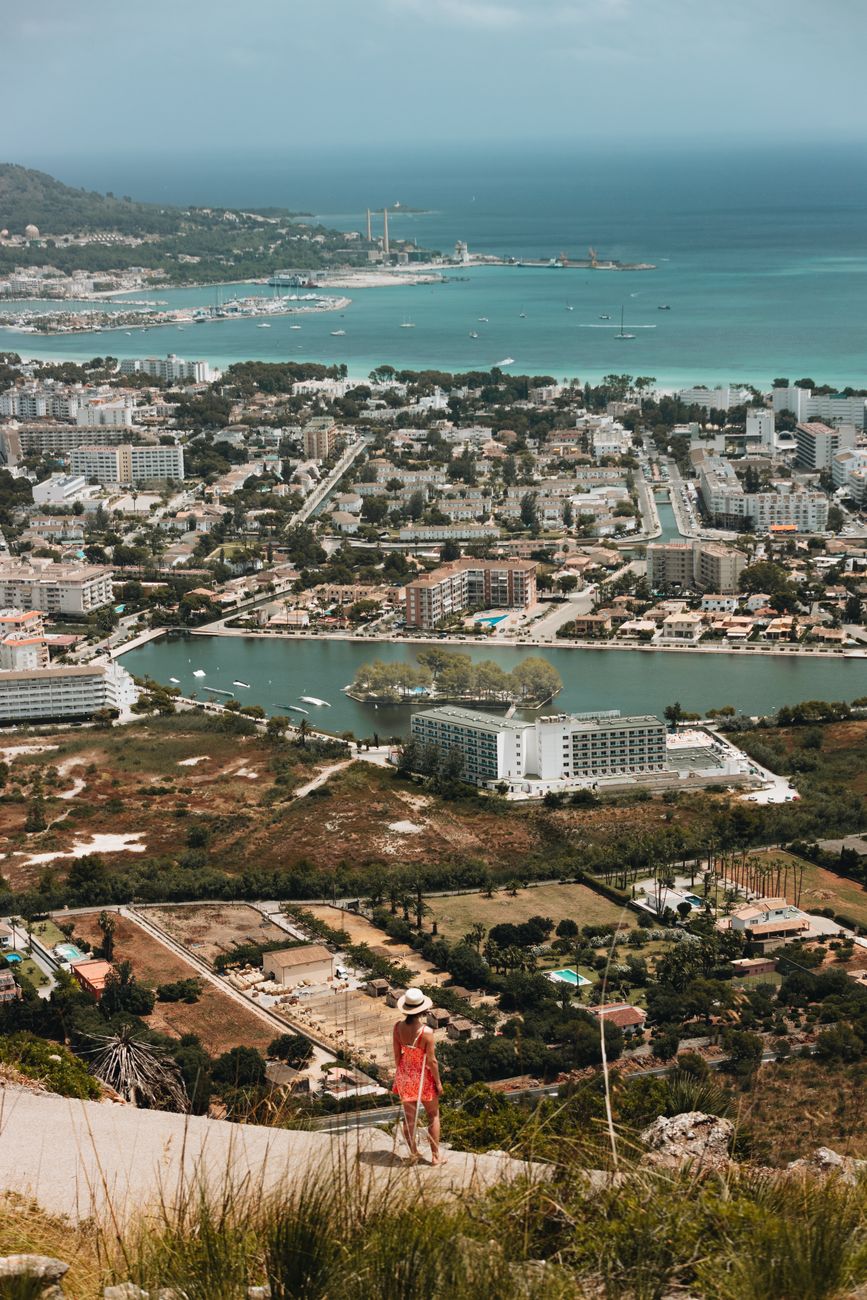
The port is an open-air public village. There are no entrance fees or ticket booths to access the harbor, pedestrian boardwalks, or public clifftop areas. You can walk the docks 24 hours a day, 365 days a year. The historic core of the village descends steeply down clifftop stairs toward private boat docks and slipways, known locally as escars. These paths do not have vehicle street access. The absence of a central sandy beach historically protected this village from high-rise hotel development, preserving its traditional character. If you plan to swim on a sandy shore, you will need to take a short ten-minute drive to nearby Cala Santanyí or s'Amarador.
Recommended Lodging in the Harbor
Accommodation here leans heavily toward independent guest houses, mid-range apartments, and small boutique hotels. Most properties are built directly into the steep limestone cliffs. You should plan your arrival before 10:00 AM during the peak season of July and August to secure a spot in the free public car park at the harbor entrance, as the narrow, downward-sloping alleys are not suitable for rental cars.
Hotel Villa Sirena
Rating: 4.7/5
Hotel Villa Sirena is a boutique clifftop hotel offering unobstructed views of the open Mediterranean and the narrow inlet leading to the docks. The property is positioned perfectly for early risers. Between 8:00 AM and 10:00 AM, you can sit on your balcony and watch the local fishermen mending nets along teh dockside while the flat morning water creates perfect reflection views of the whitewashed facades. The rooms are practical and well-maintained, prioritizing the exterior landscape over heavy interior decoration.
Hostal Can Vells
Rating: 4.8/5
This charming family-run guesthouse offers a quieter, highly localized experience. It is set back slightly from the main water traffic but remains within a three-minute walk of the primary boat ramps. The stone steps surrounding the harbor are covered in algae and can be very slippery, so changing out of flip-flops into sturdy water shoes at the hostal before walking down is a smart move. Hostal Can Vells is the exact type of place that independent travelers look for. The hospitality is direct, honest, and deeply rooted in the local community.
Apartamentos Sol y Mar
Rating: 4.6/5
For visitors staying longer than a weekend, Apartamentos Sol y Mar provides self-catering facilities close to the docks. Having a kitchen is highly advantageous here. While the fishermen bring in their catch every morning between 4:30 PM and 6:00 PM, there is no longer a physical, daily indoor retail fish market open to tourists inside the village. You can buy regional produce and fresh ingredients at the local markets and prepare them yourself. These apartments give you the space and equipment to do exactly that.
The Sustainable Tourism Tax (Ecotasa)
Entering the geographic area of the port is completely free. All overnight visitors to the Balearic Islands, however, are legally subject to the Sustainable Tourism Tax (Impuesto sobre Estancias Turísticas), widely known as the Ecotasa. This tax must be collected directly by your accommodation hosts. The regional government reinvests these funds into local environmental protection, marine conservation, and historical restoration projects.
The rates change depending on the time of year and the classification of your lodging. A mandatory 10% VAT is added to the base rate of the tax. The following structure outlines the exact financial requirements active for the current seasons.
| Accommodation Category |
High Season Rate
(May 1 – Oct 31) |
Low Season Rate
(Nov 1 – Apr 30) |
Long-Stay Discount |
Exemptions |
| 5-Star and Luxury Hotels / Holiday Residences |
€4.00 (~$4.36)
+ 10% VAT |
€1.00 (~$1.09)
+ 10% VAT |
50% off starting day 9 |
Children under 16 |
| 4-Star and 4-Key Hotels / Mid-Range Apartments |
€3.00 (~$3.27)
+ 10% VAT |
€0.75 (~$0.82)
+ 10% VAT |
50% off starting day 9 |
Children under 16 |
| 1- to 3-Star Hotels, Guesthouses, and Rural Estates |
€2.00 (~$2.18)
+ 10% VAT |
€0.50 (~$0.55)
+ 10% VAT |
50% off starting day 9 |
Children under 16 |
| Hostels, Campsites, and Tourist Refuges |
€1.00 (~$1.09)
+ 10% VAT |
€0.25 (~$0.27)
+ 10% VAT |
50% off starting day 9 |
Children under 16 |
Winter Closures and Transportation
Seasonal operations dramatically dictate the accessibility of local tourism offices, boat tours, and hospitality services. A strict regional winter closure affects the vast majority of businesses in Cala Figuera. From November 1 through April 30 annually, most local hotels, rental agencies, and seaside restaurants shut their doors entirely. The Ecotasa drops by 75% during this time, which appeals to hikers and landscape photographers who do not mind the quiet atmosphere, but finding an open room requires booking months in advance. You can read more about planning around these meteorological and operational shifts in our climate and seasonality guide.
If you are staying at any of these hotels during the operational months, public transit is available but limited. The village connects directly to the regional Transports de les Illes Balears (TIB) network via Route 516, operated by the Sagalés Caldentey franchise. Fares range between €4.00 (~$4.36) and €6.00 (~$6.54) for single card transactions. The bus functions primarily as a localized shuttle to connect travelers to the main municipal transit hub in Santanyí (La Verge stop). Ride-hailing apps like Uber are heavily concentrated near Palma and the airport, making them virtually useless in this rural cove. You will need to download the official Mallorcab app to book licensed local taxis.
Expanding Your Stay
Once you secure your room, the surrounding municipality of Santanyí has plenty to offer. Many visitors stay on the lower harbor paths and miss the clifftop trail leading to the mouth of the cove. Following the old road leads to sa Torre d'en Beu, a watchtower built in 1569 to defend against pirates, alongside its active 1953 lighthouse. You can find detailed trail notes in the watchtower and lighthouse hiking guide.
If you booked a self-catering apartment, aligning your schedule with the municipal markets is essential. The famous weekly Santanyí Artisan Market runs every Wednesday and Saturday from 9:00 AM to 2:00 PM in the Plaza Major, offering traditional handicrafts, local organic wines, and cured sobrassada. Check the events and markets calendar to coordinate your shopping days with local cultural festivals, including the Festes de la Mare de Déu del Carme in mid-July.