Driving and Parking in Cala Figuera
Driving through the southeastern municipality of Santanyí is a specific kind of visual experience. The rural roads are lined with dry stone walls. Almond trees frame the horizon. The landscape is mostly flat until you reach the coast. Then, the ground falls away entirely. This is the geographic reality of Cala Figuera. The village is built directly into the steep cliffs of a Y-shaped rocky inlet. Vehicles and sheer vertical drops require careful planning.
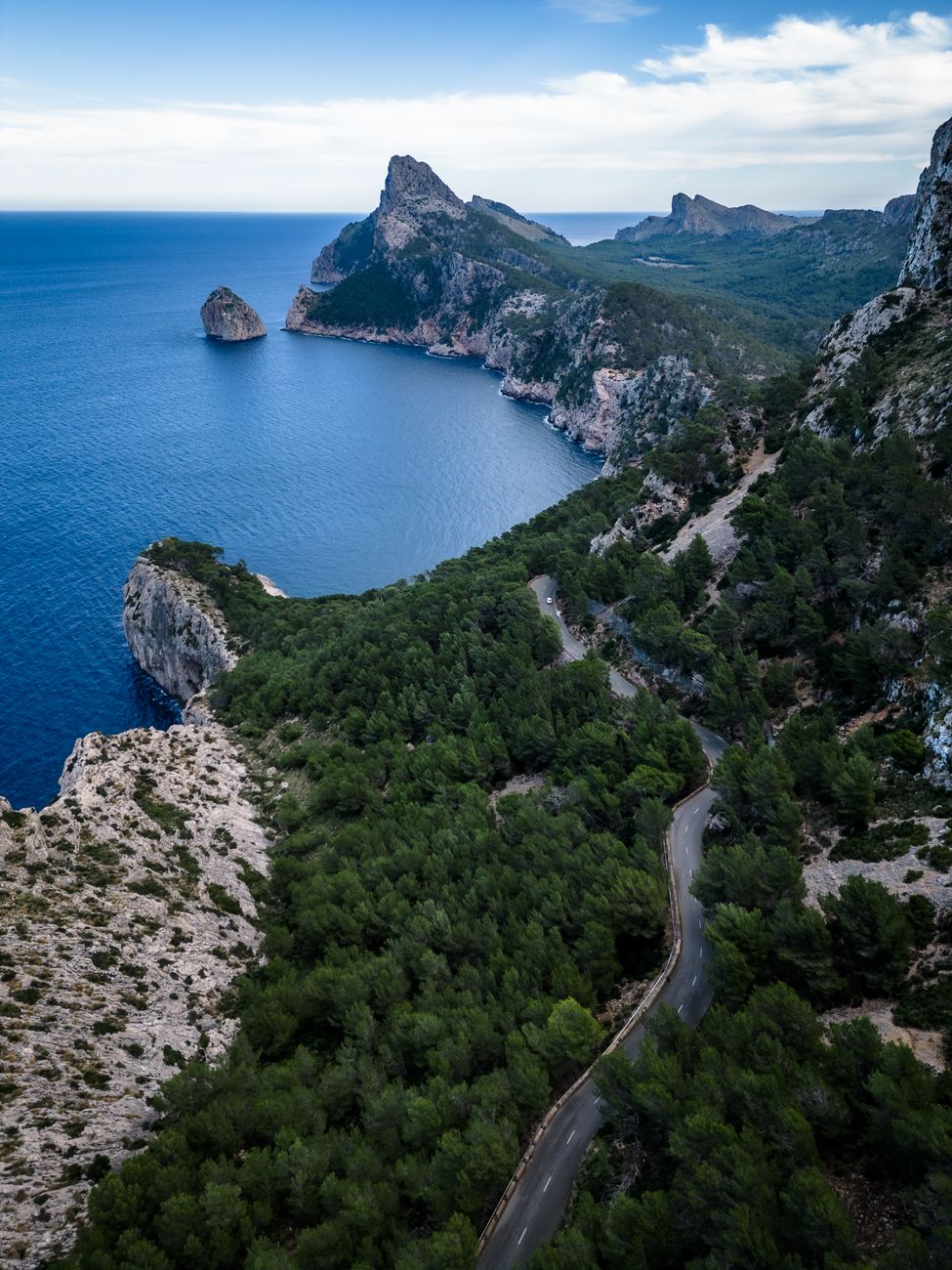
The Cap de Formentor Navigation Trap
A major navigation error happens to hundreds of independent travelers every season. They type the village name into their rental car GPS system. The digital map defaults to the northern Cap de Formentor peninsula in Pollença. This is a catastrophic routing mistake. The northern location is a remote pebble beach. It has strict summer vehicle restrictions. Private cars are banned from the northern route from 10:00 AM to 7:00 PM between June 15 and September 15. The destination we are talking about is the working fishing port in the southeast. You must ensure your navigation system is set to the Santanyí municipality. This southern port is open 365 days a year, 24 hours a day, with no toll booths or access gates.
Where to Find Free Public Parking
Unlike the heavily regulated northern coast, all public parking in this southeastern village is entirely free. The local administration provides unrestricted street parking along the main entrance avenues. There is also a spacious public car park right at the harbor entrance. You do not need to look for a parking meter or display a ticket on your dashboard.
A second dedicated clifftop parking area is situated adjacent to the trailhead for the Torre d'en Beu watchtower. This stone tower was built in 1569 to defend the coast against pirates. A 1953 lighthouse stands next to it. This parking zone allows hikers to leave their vehicles close to the landmark. You can read more about this specific coastal route in my watchtower walk guide.
The Topographic Warning for Drivers
The historic core of the village descends steeply down clifftop stairs. These stone paths lead toward private boat docks and slipways known as escars. These downward paths do not have vehicle street access. Drivers who ignore the topography often try to navigate the narrow alleys. They quickly find themselves stuck. You will hit a dead end or a tight corner that you cannot back out of. Keep your vehicle on the main street level at the top of the cliffs. You must walk down to the water.
The stone steps and boat ramps surrounding the harbor are covered in marine algae. They are incredibly slippery. I strongly advise against wearing flip-flops or open sandals. You need sturdy water shoes or slip-resistant footwear to walk near the docks safely.
Peak Season Arrival Strategies
If you arrive during teh peak of summer, you need a timing strategy. July and August bring temperatures frequently exceeding 30°C. This period brings the highest volume of international travelers. The central parking spaces fill completely by late morning. You should plan to arrive before 10:00 AM. If you arrive later, you will circle the avenues looking for an empty spot.
The morning light window between 8:00 AM and 10:00 AM is the best time to be here anyway. The harbor is peaceful. You can observe the local fishermen mending nets along the dockside. The flat morning water creates perfect reflection views of the whitewashed facades.
Another popular arrival time is the fleet return window. Local fishing boats return to unload their daily catch between 4:30 PM and 6:00 PM. Parking is tight during these hours, but the late-afternoon sun provides excellent lighting for clifftop photography. Keep in mind that there is no longer a physical, daily indoor retail fish market open to tourists inside the village. If you want fresh local seafood, you need to visit the specialized restaurants overlooking the harbor.
The No Sandy Beach Surprise
A very common point of confusion for first-time visitors involves the shoreline itself. I regularly see families pull into the free car park and unload large beach umbrellas and coolers. They expect a wide stretch of sand. The port is entirely rocky. It is lined with sheer cliffs. The absence of sand is exactly what historically protected this village from high-rise hotel development. It preserved the traditional character of the harbor. If you want to swim or sunbathe on a sandy beach, you must pack your car and head to nearby Cala Santanyí or s'Amarador. Both are located about 10 minutes away by car.
Navigating Markets and Festivals
If your itinerary brings you here on a Monday between June and September, you will encounter the local summer market. Vendors set up along Calle Sant Pere from 9:00 AM to 2:00 PM. They sell fresh seafood, regional produce, and coastal artisan wares. The market is free and open to the public. It also means the main street parking fills up much faster than usual. You need to factor this into your driving schedule.
Mid-July brings an entirely different level of congestion. The Festes de la Mare de Déu del Carme runs from July 4 through July 16. This is the main maritime celebration honoring the patron saint of fishermen. The harbor esplanade fills with live music stages, traditional open-air community dinners, and a water procession of decorated boats. The village closes several central streets to accommodate the crowds. If you visit during this festival week, you must park well outside the central core and walk in.
Public Transit and Airport Transfers
If you want to avoid driving entirely, public transportation is a reliable option. The regional Transports de les Illes Balears network manages the bus routes. Route 516 connects the village directly to the surrounding transit network. The bus runs from Campos through Santanyí, Son Moja, and Cala Santanyí before terminating right in the harbor village. Fares range between €4.00 (~$4.36) and €6.00 (~$6.54) for single card transactions. The direct journey from Campos takes approximately 25 to 35 minutes depending on coastal traffic.
Ride-hailing dynamics in Mallorca are subject to localized regulations. Global platforms are active on the island, but their operations are concentrated near Palma. Drivers are usually unavailable for localized, spontaneous trips within these southeastern rural coves. The Mallorcab app is the officially recommended smartphone application. It is a direct booking tool for licensed local taxis.
Entering the geographic area is free. All overnight visitors to the Balearic Islands are legally subject to the Sustainable Tourism Tax. A stay in a mid-range apartment incurs a high season rate of €3.00 (~$3.27) per night, plus VAT. This tax goes directly toward local environmental protection and historical restoration projects.
Navigating the rental car counters at Palma Airport is often a stressful way to start a trip. Booking a private transfer is a highly practical alternative. A professional driver navigates the highway and the narrow rural roads for you. You can review all the logistical details and best practices in my comprehensive airport transit guide.
Book Private Airport Transfers
Avoid driving and parking stress with private airport transfers directly to Cala Figuera / Santanyí.
 viator
$99.06
viator
$99.06
Private Business Car Transfer from Palma de Mallorca Airport (PMI) to Santanyí
 viator
$138.72
viator
$138.72