Cala Figuera Snorkeling & Cliff Jumping Guide
I am Rafa Velazquez. I spend my summers photographing the southeastern coast of Mallorca and free-diving along its limestone walls. The working port of Cala Figuera in the Santanyí municipality offers a completely different maritime experience from the island's northern resort towns. This coastline is a steep, jagged edge dropping straight into deep Mediterranean water. The absence of a sandy beach keeps the water exceptionally transparent. This raw topography creates ideal conditions for independent snorkeling and highly technical cliff jumping, provided you understand the local terrain.
Book Snorkeling & Kayaking Excursions
Experience the rugged coastline and crystal-clear waters with a top-rated guide.
 viator
$58.3
viator
$58.3
Kayaking and Snorkeling in Mondragó Natural Park
 viator
$80.46
viator
$80.46
Mallorca: Kayaking, Sea Cave, Cliff Jumping & Snorkel Tour
 viator
$101.86
viator
$101.86
Best Mallorca Coves: Paddle Surf, Snorkeling and Guide
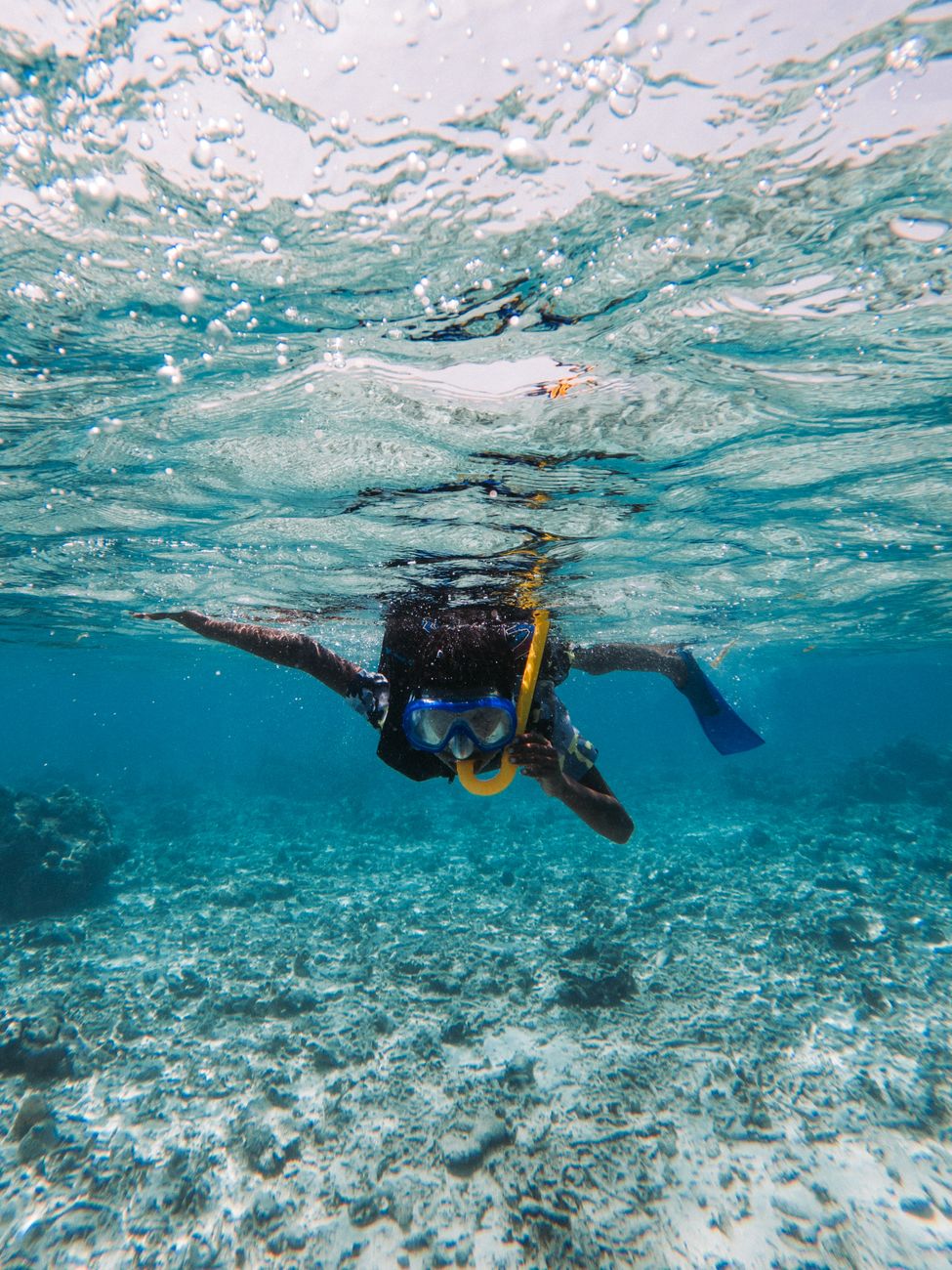
The Snorkeling Scene at Caló des Savinar
A frequent geographic misunderstanding catches first-time visitors off guard. Many travelers arrive in the center of Cala Figuera expecting a wide expanse of white sand. The port is entirely rocky. The historic core of the village descends via steep clifftop stairs to a Y-shaped harbor lined with private boat docks and slipways. This exact lack of sand historically protected the village from high-rise hotel development. It also means you cannot simply wade into the water from a beach towel.
Swimming inside the main harbor channel is generally a poor choice. The local fishing fleet departs early from Caló d'en Busques, and boats traffic the inlet constantly throughout the day. In mid-July, during the Festes de la Mare de Déu del Carme, a massive maritime procession fills the water, making swimming in the port actively dangerous. The real underwater ecology requires leaving the village center.
Caló des Savinar is a secluded rocky inlet located just down the coast, positioned near the wilder edges of Mondragó Natural Park. Tour buses running Route 516 drop passengers at the main Cala Figuera terminus, but few people walk the extra distance to this specific cove. Getting down to teh water requires navigating a narrow, uneven path over raw limestone. The reward is total isolation and pristine visibility.
The seafloor here is dominated by Posidonia oceanica. These dense seagrass meadows act as the lungs of the Mediterranean. They filter the water and provide a breeding habitat for moray eels, octopus, and large schools of saddled seabream. Because there is no sand to kick up in the shallows, the water clarity often exceeds thirty meters on a calm morning. The morning light window between 8:00 AM and 10:00 AM offers the flattest sea conditions and the most direct sunlight penetrating the reef.
Essential Marine Gear and Logistics
Proper footwear is non-negotiable on this coast. The historic boat ramps, known locally as escars, are carved directly into the rock. They are coated in a thick, slick layer of green algae. Walking down these ramps in basic flip-flops is a guaranteed way to slip and sustain a serious injury. You need sturdy water shoes with a thick, slip-resistant rubber sole. You will wear them from the car, down the cliff trail, and straight into the ocean.
A quality tempered-glass mask and a dry-valve snorkel change the entire experience. Purchasing a reliable set from a surf shop in nearby Santanyí costs about €35.00 (~$38.15). If you plan to spend hours in the water during the shoulder months of September or October, the sea temperature begins to drop. Renting a neoprene shorty wetsuit from a local dive center runs roughly €15.00 (~$16.35) per day. A high-visibility swim buoy is another essential piece of safety gear. It alerts passing boat traffic to your presence when you drift away from the immediate cliff walls.
Parking near the best access points requires early arrival. Public parking in Cala Figuera is entirely free, costing €0.00 (~$0.00) year-round. A dedicated clifftop parking area sits directly adjacent to the trailhead for the Torre d'en Beu watchtower. During the peak months of July and August, these spaces fill completely by late morning. Plan to park your vehicle before 10:00 AM to secure a spot without circling the narrow upper avenues.
Cliff Jumping Safety Guidelines
The limestone walls stretching from the harbor mouth out toward the 1953 lighthouse at Torre d'en Beu provide natural platforms for cliff jumping. The heights range from two meters up to intimidating twelve-meter drops. The adrenaline appeal is obvious, but the environment is entirely uncontrolled.
Checking the water depth yourself is an absolute requirement before any jump. Mediterranean tides are minimal, but violent winter storms routinely dislodge massive boulders, moving them into shallow impact zones. A jump spot that was perfectly safe last August might conceal a jagged rock two feet below the surface today. Put your mask on, swim the landing zone, and visually confirm the depth.
You must plan your exit route before you ever leave the rock. The cliff faces are undercut by centuries of wave action. Getting out of the water is significantly harder than falling into it. You need to locate a low, sloping rock shelf or an old fisherman's metal ladder anchored into the stone.
Never jump alone. The ocean is unpredictable, and a bad landing knocks the wind out of even experienced athletes. Always have a spotter who you can rely on to climb back up with. If someone gets hurt, climbing the vertical limestone to get a cellular signal takes time and intense physical effort.
Wilderness Preparation and Environmental Respect
Hiking the clifftops to access spots like Caló des Savinar or the Es Pontàs natural arch exposes you to the elements. The trail leading to Es Pontàs—a massive natural stone bridge rising directly out of the sea—offers incredible photographic angles, but it lacks any form of shade. The midday heat frequently tops 30°C in the peak summer months. Heat exhaustion on these exposed trails is a severe issue for unprepared hikers.
Carry a minimum of two liters of water per person. Hydration is critical when you mix intense sun exposure with the physical exertion of swimming against ocean currents. Sunscreen is equally important, but it must be a reef-safe formula. Chemical sunscreens bleach the marine life living on the shallow rock shelves.
The pine forests bordering these coves are under extreme wildfire threat every summer. Local municipal regulations strictly prohibit open flames, campfires, and smoking on the coastal trails. The local authorities enforce heavy fines for any violations. A single careless spark destroys decades of natural growth and endangers the isolated residential zones nearby.
The regional Ecotasa tax collected by your accommodation host directly funds the preservation of these specific coastal environments. For a mid-range apartment, the high-season rate is €3.00 (~$3.27) per night, plus VAT. Recognizing where this money goes helps frame your responsibility as a visitor. Pack out every piece of trash you bring in, including organic waste like fruit peels, which take months to decompose in the dry Mediterranean climate.
Timing and Ocean Conditions
The Mediterranean is not a lake. The water conditions dictate entirely what you can and cannot do on the outer cliffs. A strong eastern wind turns the usually calm inlets into a chaotic washing machine of heavy swell and white water. Attempting to snorkel or jump during a high swell is a fast track to being slammed against the sharp limestone walls.
You need to read the forecast and understand the seasonal shifts. Review my detailed guide on weather and seasonality to plan your water days around stable, flat conditions. September often provides the best balance of warm sea temperatures and minimal wave action.
Sometimes the smartest way to access the deep-water coves is to skip the overland hike entirely. Local boat rentals and charters operate out of the surrounding southeastern ports. Renting a small craft allows you to drop anchor directly over the isolated outer reefs. Approaching the cliffs from the water changes your entire perspective. It saves your legs from the brutal hike back up the cliffs and provides a safe, shaded base station for an entire day of diving.