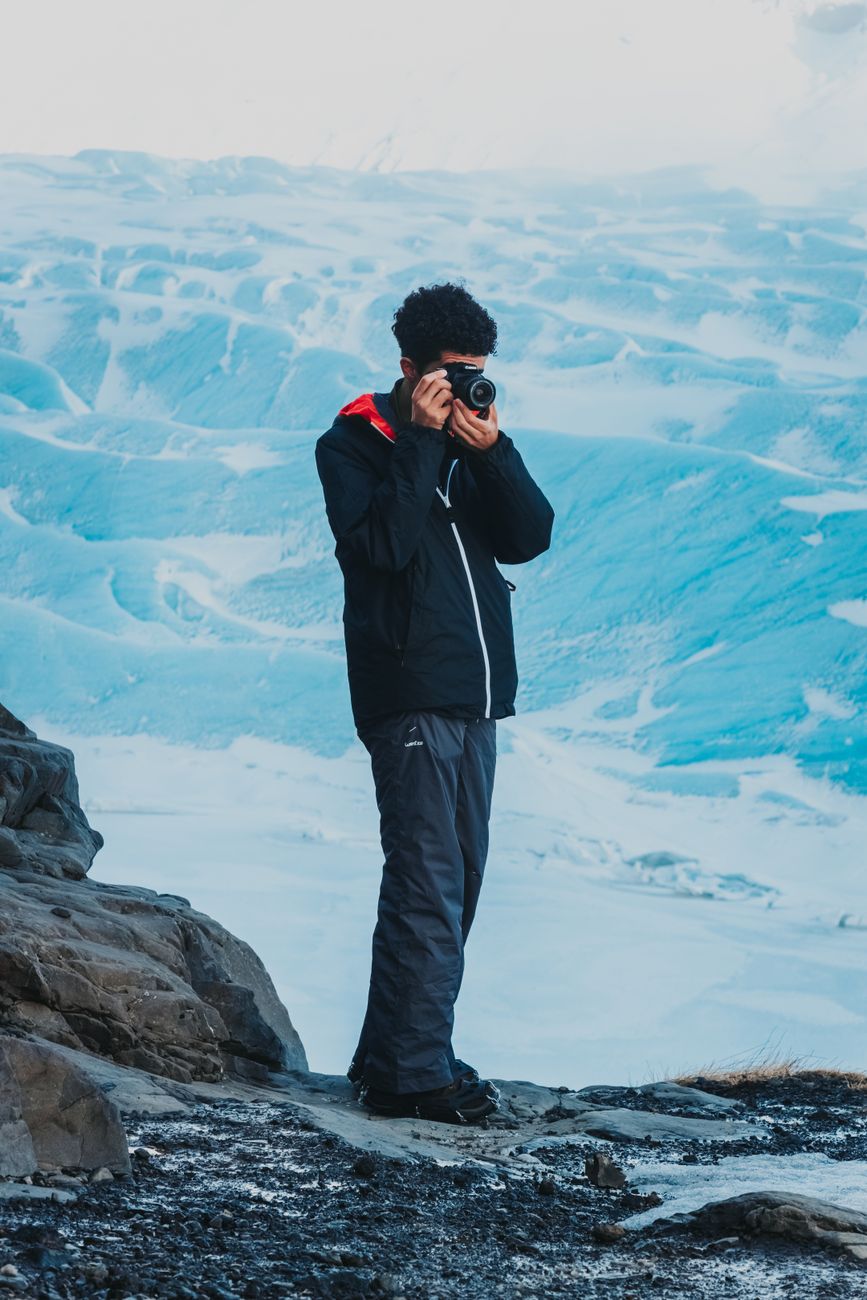
I am Rafa Velazquez, a landscape photographer and an independent traveler based in southeastern Mallorca. I spend my days tracking the sun across the rocky coastline of the Santanyí municipality. My life revolves around the tides, the changing Mediterranean seasons, and the daily rhythms of the local fishing fleet. I built this digital platform to help you find the authentic Port de Cala Figuera. We have a serious naming collision on this island. The name Cala Figuera belongs to two entirely different locations. One is a remote, undeveloped pebble beach on the northern Cap de Formentor peninsula. The other is a historic, active fishing port in the southeast. This working port is my home.
Standard GPS apps frequently route visitors to the remote pebble beach in northern Formentor instead of our working port in Santanyí. That single navigation error costs travelers hours of driving. It puts them in the middle of strict summer vehicle restrictions. The northern Cap de Formentor route bans private cars from 10:00 AM to 7:00 PM between June 15 and September 15. You have to take a shuttle bus from Formentor beach up there. Down here in the southeast, we have no vehicular access bans. We just have parking congestion. I want to save you from these commercial pitfalls.
My day starts long before the first regional TIB Route 516 bus drops passengers at the La Verge station in Santanyí. As a photographer, I chase the morning light window. The best time to be down by the water in Cala Figuera is between 8:00 AM and 10:00 AM. During these early hours, the sea is perfectly flat and the tourist crowds are asleep. The whitewashed facades of the traditional houses and the green wooden shutters reflect clearly on the surface of the water.
I walk the stone paths down to the private boat docks. We call these traditional slipways escars. You can watch the local fishermen sitting on the concrete ramps, mending their heavy nets. The stone steps are often covered in wet algae. They are incredibly slippery. I always wear sturdy, slip-resistant water shoes instead of flip-flops. An unexpected fall into the harbor with a heavy camera bag is an experience I want to avoid.
People ask me what I carry in my bag when I am shooting along the southeast coast. I keep my equpment simple and rugged. The salt air and the sudden splashes near the rocks ruin delicate electronics quickly. I carry a weather-sealed mirrorless camera body with two main lenses. My primary lens is a wide-angle 16-35mm. I need this wide field of view to capture the sheer vertical scale of the cliffs and the narrow mouth of the harbor.
My second lens is a 70-200mm telephoto. I use this lens during the late afternoon. Between 4:30 PM and 6:00 PM, the local fishing boats return from the open water to unload their catch at Caló d'en Busques. The telephoto lens lets me photograph the crew working on the decks from a safe distance. I also pack a solid carbon-fiber tripod for long exposures of the water. I take this tripod with me when I hike the clifftop trail up to sa Torre d'en Beu. That stone watchtower has been there since 1569, and it sits next to an active lighthouse built in 1953. The view over the open sea from that spot is something I am always searching for.
Cala Figuera is not a typical resort town. We have no sandy beach in the center of the village. For a long time, developers thought this was a disadvantage. I see it as our greatest defense. The absence of sand stopped high-rise hotel construction from taking over the coastline. It saved the traditional character of our port. I care deeply about the conservation of these rocky coves. The marine ecosystem here is fragile and requires constant protection. If you want to swim on a sandy beach, you just need to head 10 minutes away to nearby Cala Santanyí or s'Amarador.
Every overnight visitor to the Balearic Islands pays a legal fee called the Sustainable Tourism Tax, or the Ecotasa. This is not a bureaucratic penalty. The tax directly funds local environmental protection and historical restoration projects. If you stay in a 4-star hotel or a mid-range apartment during the high season, the rate is €3.00 (~$3.27) per night, plus 10% VAT. A 5-star luxury hotel charges €4.00 (~$4.36) per night. If you choose a 1- to 3-star hotel or a rural estate, the cost drops to €2.00 (~$2.18) per night. A hostel or campsite charges just €1.00 (~$1.09) per night. Children under 16 years of age are completely exempt from the tax.
The tax changes with the seasons. From November 1 to April 30, the Ecotasa drops by 75%. If you book a long stay of nine or more consecutive nights, you get a 50% discount starting on the ninth day. When you pay this fee at your accommodation, you are helping us maintain the clean water and the historic stone architecture of the Santanyí municipality.
I plan my photography projects around the meteorological shifts of the island. June brings highly stable Mediterranean weather, with daily temperatures ranging between 24°C and 28°C. Rainfall is exceptionally rare, and the sea temperature warms up to comfortable swimming levels. July and August are the peak summer months. Temperatures frequently exceed 30°C, and the water transparency is at its highest. This is the busiest time of the year. The restaurants are full, the parking lots are packed, and the high-season tax rates apply.
Mid-July brings the most important cultural event of the year to our harbor. From July 4 to July 16, we celebrate the Festes de la Mare de Déu del Carme. This festival honors the patron saint of fishermen. The entire port transforms. We have open-air community dinners like the Sopar a la Fresca on July 9, featuring regional pork loin and tumbet. We listen to classical chamber recitals at the clifftop Mirador overlook. The festival ends on July 16 with a solemn Mass. After the Mass, the locals carry the saint's image down to the water. A massive maritime procession of decorated boats follows. Photographing this night procession is a technical challenge. The boats are covered in lights, the water is dark, and the harbor is full of movement.
By November, the atmosphere changes completely. Temperatures cool to a range of 10°C to 16°C. Most local hotels, rental agencies, and seaside restaurants in Cala Figuera close entirely for the winter. This off-season period is my favorite time for landscape photography. The village is silent, and I have the coastal trails all to myself.
I created this digital guide to help independent travelers navigate the logistics of our region. Traveling outside the Palma metro area requires proper planning. Ride-hailing apps like Uber concentrate their drivers near the airport and the capital. You will rarely find an Uber driver out here in the southeastern rural coves. You need to download the official Mallorcab smartphone app to book licensed local taxis, or you need to call local dispatch lines like Radio Taxi Santanyí at +34 971 657 058 or Taxi 29 Manacor at +34 604 184 938. Otherwise, you need to rent a car.
If you drive here during July and August, you must plan your timing carefully. All public parking in Cala Figuera is entirely free. We have unrestricted street parking and a spacious public car park at the harbor entrance. The central spaces fill completely by late morning. You should plan to arrive before 10:00 AM to secure a spot without circling the village. You must also avoid driving down the narrow, downward-sloping alleys near the water. Those paths have no vehicle street access, and tourists frequently get their rental cars stuck between the stone walls.
If you prefer public transit, you will use the TIB Route 516 bus. The operating franchise is Sagalés Caldentey. The bus acts as a localized shuttle connecting Cala Figuera to the main municipal transit hub in Santanyí. It stops at La Verge, Na Ravandella, Cas Canonge, Sa Tanca, Son Moja, and Cala Santanyí. Transit single card fares range between €4.00 (~$4.36) and €6.00 (~$6.54).
I want you to see teh Mallorca I know. It is a place of quiet mornings, hard-working fishermen, and deep respect for the sea. Walk the trail from Cala Santanyí out to the Es Pontàs natural stone bridge. Hike down to the secluded rocky inlet of Caló des Savinar. Sit by the water at Bistro Bar Bonavista or Restaurante s'Ona Beach and watch the boats come in. This platform has the exact facts you need to plan your trip.